
 Paraguay
 Argentina
 Bolivia
 Chile
 Colombia
 Costa Rica
 Cuba
 Ecuador
 El Salvador
 Spain
 US
 Guatemala
 Eq. Guinea
 Honduras
 Mexico
 Nicaragua
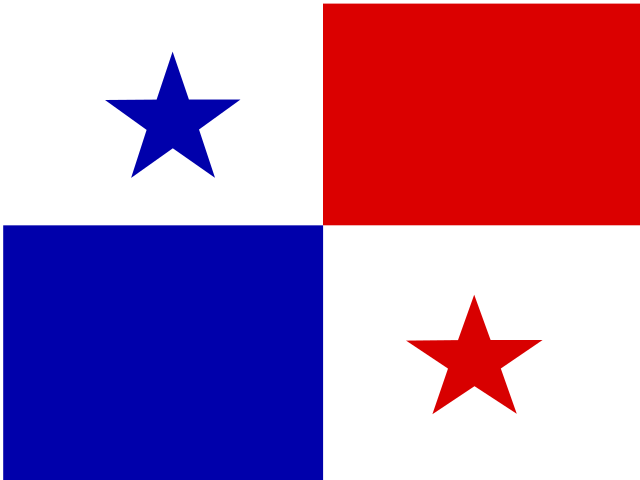 Panama
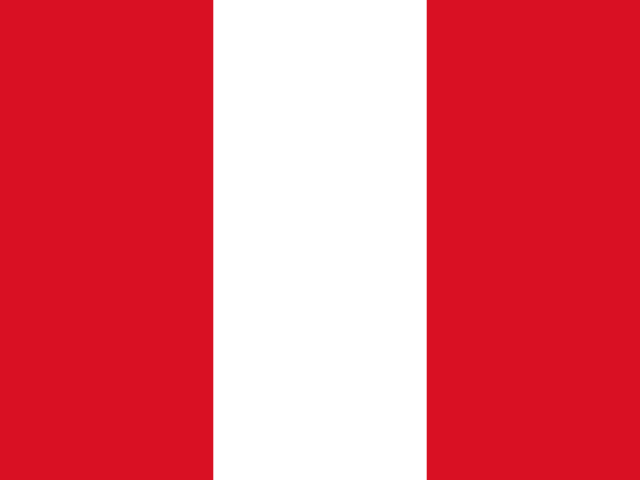 Peru
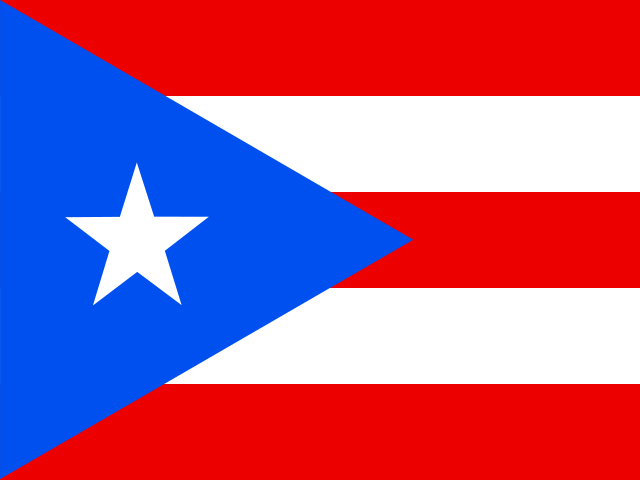 P. Rico
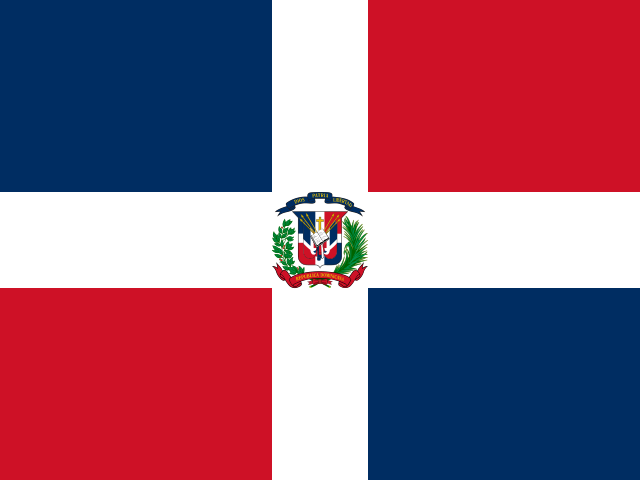 Dom. Rep.
 Uruguay
 Venezuela
Credit card minimum payment: how it works and why it costs you
Paying the minimum avoids late fees, but it doesn't stop interest. With a ₲5,000,000 balance you could take more than 4 years to pay it off.
Data as of October 2026; the examples with amounts are hypothetical.
Amounts in this guide are in Paraguayan guaraníes (₲), because the data comes from Paraguay. In the calculator you can switch to dollars, euros or pounds.
Every month, your card statement shows two amounts: the full balance and the minimum payment. The full balance is everything you owe as of the closing date. The minimum is the smallest amount the bank will accept to keep your account "current".
Paying the minimum isn't the same as paying off the debt. Whatever you don't pay stays as a balance, and interest starts running on that balance. The next month, the old balance plus interest plus any new purchases make up the new debt.
Each lender sets its own way of calculating the minimum: it's usually a percentage of the balance with a fixed floor, plus the month's interest and fees. It's written in your contract and on your statement. Check it before deciding how much to pay.
How much it costs to stay financed
In Paraguay, the Central Bank (BCP) publishes a maximum interest rate for credit cards every month. In October 2026, for cards in guaraníes it was 19.62% effective annual. That works out to roughly 1.64% a month on whatever balance you leave unpaid.
1.64% sounds small. But it's charged every month, on a debt that shrinks very slowly. With a ₲5,000,000 balance, the first month alone is about ₲82,000 in interest. If your payment barely covers that, the debt barely moves.
The example: ₲5,000,000 paid three different ways
Say you owe ₲5,000,000 on your card, at 19.62% a year, with no new purchases. For this example, the minimum is 5% of the balance with a ₲100,000 floor (your bank may use a different rule).
| How you pay | Time to pay it off | Interest paid |
|---|---|---|
| Minimum only (5% of balance) | 51 months (over 4 years) | ₲1,864,000 |
| Fixed ₲250,000 a month | 25 months | ₲1,105,000 |
| Fixed ₲500,000 a month | 12 months | ₲504,000 |
With the minimum, the payment shrinks as the balance shrinks. That's why it feels comfortable, but it stretches the debt out for years. Paying a fixed ₲500,000 gets you out in a year and saves you more than ₲1,300,000 in interest compared to the minimum. And this is with no new purchases: if you keep using the card while paying the minimum, the balance may never go down.
Why the minimum is tempting
- It feels like you're current. The statement doesn't flag you and you don't go into default. But you're paying interest every month.
- The payment shrinks on its own. Since the minimum is a percentage of the balance, each month asks a little less of you. That's what makes the debt last longer.
- It frees up your credit line. Paying releases available credit, which tempts you to use it again.
What happens if you don't even pay the minimum
If you miss the minimum, you go into default. On top of interest, the lender can charge penalty interest and collection costs, and your late payment can end up reported to Informconf, making it harder to get a loan later. The minimum serves one purpose only: avoiding default in a tough month. It's not a plan for paying off debt.
How to get off the minimum, step by step
- Stop new purchases on that card. If you can, leave it home and use debit or cash.
- Look at the full statement: balance, rate, closing date and due date.
- Pick a fixed amount you can sustain. ₲300,000 every month beats ₲600,000 one month and nothing the next.
- Pay before the due date. One day late can already add penalty charges.
- If you have several debts, order them with the avalanche or snowball method.
Using the card without paying interest
The card isn't bad. If you pay the full balance before the due date, you pay no interest on that month's purchases: you get a free grace period, and sometimes cashback too. The simple rule: if you can't pay the full balance next month, that purchase shouldn't go on the card, unless it's an emergency.
Run the numbers with your own figures
With the installments vs. cash calculator you can see how much extra you pay by financing a purchase on your card, using the month's BCP cap. Try it with your real balance and the payment you can afford.
Frequently asked questions
Does paying the minimum hurt my Informconf record?
No, as long as you pay on time you don't go into default. What hurts is the cost: you pay interest every month.
Is it worth paying a bit more than the minimum?
Yes. Everything you pay above the minimum lowers the balance and next month's interest.
Can my card's rate be higher than the BCP maximum?
The maximum is a legal cap. If something looks off, ask your bank for the full breakdown.
This article is educational, not financial advice. The table example is hypothetical; your contract may have different rules and fees.
Sources
- Central Bank of Paraguay (BCP), maximum rates for credit cards, October 2026.
Financial education. We are not a financial institution and we don't give personalized advice.